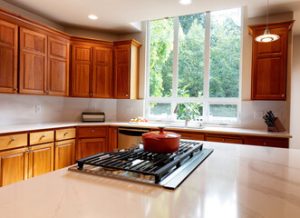
Kitchen Remodeling Ideas For Small Kitchens

Kitchen Remodeling Issaquah

Whether you’re working with a galley kitchen or compact nook, the right design can transform your small space into an efficient culinary haven. Try these remodeling ideas to give your compact kitchen a style boost and functional overhaul.

Use pegboard to hang lightweight utensils like mugs, or install magnetic strips under your cabinets for knives—freeing up counter and drawer storage. Two-tone cabinets also add visual interest while keeping the room feeling bright and airy. Contact Kitchen Remodeling Issaquah for more information.

Cabinets

Whether you have a compact galley kitchen or a cozy nook, the layout of your cabinets is crucial to how well your room functions. If your kitchen’s flow feels cramped, or you find yourself bumping into countertops and cabinets when moving around the space, it’s time to consider some smart kitchen remodeling ideas for small spaces.

While it’s tempting to replace your cabinetry with all-new cabinets, the best kitchen remodel ideas for small kitchens focus on optimizing the existing layout. Using a layout like the galley or L-shaped design, for example, can help you maximize counter and storage space while keeping essentials within reach.

Hidden and sliding solutions are other kitchen remodel ideas for small spaces that can add functionality without overwhelming the space. Installing drawer dividers or lazy Susans in corner cabinets, for instance, allows you to easily grab items that are stored deep inside without having to dig through stacks of pots and pans. Likewise, installing tiered sliding racks in lower cabinets is an attractive and convenient way to store items like cans, jars, and spices.

Another important aspect of the layout is ensuring you have enough counter and storage space for all of your cooking and cleaning supplies. Choosing the right layout and custom cabinetry can make the difference between a cramped kitchen and one that feels spacious and efficient.

Finally, don’t forget to add visual interest with a bold backsplash or other stylish accents. A patterned tile or a colorful backsplash can instantly transform the look of your room and add a pop of personality that sets your space apart.

Finally, don’t underestimate the power of good lighting. Layered lighting, with a mix of task, ambient, and accent lights, can dramatically increase the brightness and appeal of your small kitchen. Use recessed lighting to brighten workspaces, and invest in pendant or sconce lighting over the island or sink for a focal point that also creates a warm glow.

Countertops

In a small kitchen, countertop space is precious. Cooking tools, food prep items, and appliances take up valuable real estate that you don’t have much of to spare. That’s why efficient kitchen storage hacks like magnetic knife racks, pegboards for hanging pans, and portable islands are important components in any small kitchen remodeling project.

When selecting a new counter, keep in mind the overall look of your kitchen and its color scheme. Lighter colors, such as whites and creams or soft grays, help the room feel larger by reflecting natural and artificial light around the space. Countertops with subtle speckled patterns or gentle veining add visual interest without feeling busy. On the other hand, a dark slab can make a small kitchen feel enclosed and is best reserved for larger layouts.

Seam placement and edge profile are also important considerations. Generally, straight and slightly rounded edges work better in small kitchens. Overly ornate designs can overcrowd the space and create a cluttered look.

Unlike cabinets, countertops are visible from the living area, making them an integral part of your kitchen’s visual design. That’s why it’s essential to choose a material that complements your cabinetry and ties the design together. Seamless integration makes the entire kitchen feel unified and enhances both function and style.

Another key aspect to consider is how the counter will be used. If you plan to eat or host guests at your home, creating a dedicated beverage station can be both functional and decorative. A dedicated coffee or tea station gives you a place to keep mugs and pitchers within easy reach. Plus, displaying cutting boards on the counter is an attractive way to keep essentials organized and out of the way when they’re not in use.

If you’re tight on counter space, a countertop extension may be a smart solution. A pull-out section or an overhanging breakfast bar is a convenient way to add more surface area for meal prep, and it can easily be tucked away when not in use. Another option is to install a retractable island that’s hidden when not in use but expands to a full-length counter when needed.

Flooring

If you’re working with a tight space, flooring plays a big role in your kitchen’s look and function. To create a cohesive aesthetic, opt for coordinating flooring that matches your countertops and cabinets or a neutral color that offers continuity throughout the room. If you’re not ready to commit to new materials, refinishing your existing floors offers an economical, eco-conscious alternative that can refresh and revitalize your kitchen.

Minimal clutter is essential in small spaces, so reserve cabinet and drawer shelves for items that don’t need to be out on display. For example, a pull-out pantry between the refrigerator and wall is an excellent way to store cans and jars, or a slim storage bench in the corner of the room can house less frequently used kitchen items like cleaning supplies and paper towels. Wall-mounted hanging racks are also a smart option for storing pots and pans while freeing up counter and cabinet space.

A lack of natural light can make a small space feel constrained and cave-like, so consider adding recessed lighting to your kitchen renovation plans. This will brighten your kitchen and make it feel larger by eliminating shadows under cabinetry that can stop the eye. Another key trick to expanding a small kitchen is installing LED strips under upper cabinetry, which eliminates shadows on countertop surfaces and draws the eye upward to open up the space.

Kitchen flooring can add visual interest and warmth to a small kitchen, but it’s important to keep in mind that too much pattern or texture may overwhelm the space. Instead, opt for a simple tile or laminate flooring with a neutral shade that complements your cabinets and countertops. A neutral color palette also helps the space appear larger by reflecting more light and creating a sense of openness.

The kitchen is the heart of the home, but it doesn’t have to be a cramped, dark space. By maximizing storage, shelving, major and small appliances, and color and decor, you can transform your small kitchen into an efficient and delightful cooking area.

When it comes to small kitchen remodeling ideas, the sky’s the limit. A few simple changes can make a huge difference, whether you’re looking to maximize space, increase functionality or just add some personal flair.

Lighting

One of the most important kitchen remodel ideas for small spaces is incorporating natural light. This not only makes the room feel bigger, but it can also help reduce the need for artificial lighting during the day. If possible, opt for windows that let in ample sunlight and consider light window treatments to further brighten the space. Strategically placed mirrors can also help reflect natural light and make the room feel bigger.

The right lighting is crucial for any kitchen, but it’s especially important in small spaces. Layered lighting—which combines ambient, task, and accent lighting—can transform a compact kitchen into a gorgeous and functional workspace.

For general illumination, recessed lights or flush-mount ceiling fixtures are a popular choice. These provide general brightness and create a well-lit canvas that other light layers can build upon. Task lighting, such as under-cabinet or track lights over work surfaces, helps illuminate key work areas and minimize shadows on countertops. Accent lighting, like spotlights or directional pendants, can highlight architectural features such as a coffered ceiling or unique backsplashes, adding drama and visual interest to the space.

Another great way to add storage to a small kitchen is by using vertical space. Installing shelves along a wall or above a door can give you extra storage without taking up valuable floor space. Alternatively, a pantry or walk-in closet can be repurposed as a storage area for less-used items such as large servingware, table linens, or kitchen supplies you buy in bulk, such as paper towels or pet food.

Finally, a simple but effective kitchen design idea for small spaces is to use multifunctional furniture. Rolling kitchen carts that double as mobile prep stations or dining tables can save space while still providing essential functionality. Similarly, a wall-mounted drop-leaf table can provide additional seating when needed but easily hides away when not in use.

In addition to these clever storage solutions, utilizing the right color palette and incorporating plenty of natural light can make a big difference when it comes to kitchen remodel ideas for small spaces. Opt for white or light-colored cabinets to instantly make a room feel larger and brighter, and use coordinating colors on the walls, appliances, and flooring to create a cohesive look that feels spacious and airy.

Transforming Spaces with Professional Remodeling Contractors

Remodeling Contractor Mesa plays a vital role in helping property owners enhance, modernize, and customize their spaces. Whether it’s updating a single room or transforming an entire structure, these professionals combine design expertise, construction knowledge, and project management skills to deliver high-quality renovation results. Remodeling has become an essential service for both homeowners and businesses looking to improve functionality, aesthetics, and value. With the growing focus on comfort, sustainability, and modern design, remodeling contractors provide solutions that align with today’s lifestyle and building standards.

Home and commercial remodeling is more than just altering the physical layout—it’s about creating spaces that reflect the unique needs and vision of their occupants. A remodeling contractor takes on the responsibility of turning those ideas into reality, handling everything from initial planning to project completion. They work closely with clients to understand goals, budgets, and design preferences, then coordinate with designers, architects, and skilled tradespeople to ensure the project is executed seamlessly. This comprehensive approach ensures that every remodeling project, regardless of scale, is completed efficiently and to the highest quality standards.

remodeling

One of the biggest advantages of working with a remodeling contractor is the expertise they bring to the table. These professionals are well-versed in the complexities of renovation work, including structural modifications, electrical and plumbing upgrades, material selection, and compliance with building codes. Their experience allows them to anticipate potential challenges and develop solutions that keep the project on track. In addition, contractors have access to trusted suppliers and skilled subcontractors, ensuring that each aspect of the remodel is handled by experienced professionals.

Home remodeling is one of the most common services provided by remodeling contractors. Property owners often seek to update older homes, improve functionality, or enhance aesthetic appeal. Popular home remodeling projects include kitchen and bathroom renovations, basement finishing, room additions, and whole-house makeovers. Each of these projects requires careful planning and execution to ensure that the improvements align with the homeowner’s lifestyle and the property’s architectural integrity. Remodeling contractors oversee the entire process, from obtaining permits and selecting materials to scheduling inspections and managing construction timelines.

Among the most sought-after home improvements are kitchen and bathroom remodels, which significantly enhance both functionality and property value. In kitchen remodeling, contractors focus on improving layout efficiency, adding modern appliances, upgrading cabinetry, and incorporating new lighting or flooring materials. Bathrooms often receive similar attention, with upgrades like new fixtures, tile work, walk-in showers, and energy-efficient features. These transformations not only improve daily comfort but also provide excellent return on investment.

For homeowners considering remodeling, hiring a professional contractor ensures that the project is completed safely, efficiently, and in compliance with all regulations. Licensed remodeling contractors are familiar with local building codes and safety standards, which helps prevent costly mistakes and delays. They also provide detailed contracts that outline timelines, costs, and materials, giving clients a clear understanding of what to expect. This level of transparency and accountability is what sets professional remodelers apart from do-it-yourself or unlicensed work.

Remodeling contractors also cater to commercial remodeling projects, which are designed to improve business environments. Whether it’s renovating an office, restaurant, retail space, or warehouse, these professionals understand how design and functionality impact operations. Commercial renovations often involve reconfiguring layouts for better workflow, updating lighting and HVAC systems for energy efficiency, and creating more inviting customer spaces. Contractors in this field are experienced in managing large-scale projects with strict deadlines, ensuring minimal disruption to business operations.

In today’s competitive real estate market, remodeling has become an effective strategy for increasing property value and appeal. A well-planned remodel can transform an outdated building into a modern, energy-efficient, and visually appealing space. Remodeling contractors help property owners make smart design decisions that balance style, functionality, and cost-effectiveness. Whether the goal is to prepare a property for sale or to create a more enjoyable living environment, remodeling offers lasting benefits that go beyond aesthetics.

Another important aspect of remodeling is sustainability. Modern remodeling contractors often integrate eco-friendly building practices into their projects. This includes using recycled or renewable materials, installing energy-efficient appliances, improving insulation, and utilizing water-saving fixtures. Green remodeling not only reduces the environmental impact but also lowers long-term operating costs for property owners. Contractors who specialize in sustainable renovations can guide clients toward environmentally responsible choices that align with their budget and design vision.

While remodeling projects can vary in scale and complexity, the process generally follows a similar structure. Working with a remodeling contractor typically involves the following stages:

  1. Consultation and Planning: The process begins with a detailed discussion of the client’s goals, needs, and budget. The contractor may conduct a site visit to assess the space and identify potential challenges.
  2. Design and Estimates: Next, design plans are created based on the client’s preferences and the property’s specifications. The contractor provides cost estimates, timelines, and material recommendations.
  3. Permits and Preparation: Before construction begins, necessary permits are secured to ensure compliance with building regulations. The contractor coordinates with suppliers and prepares the site for work.
  4. Construction and Supervision: During the remodeling phase, the contractor manages all aspects of the project, including scheduling, labor, and quality control. Regular updates are provided to keep the client informed.
  5. Inspection and Finalization: After the work is completed, the contractor conducts a thorough inspection to ensure everything meets standards. Any adjustments or final touches are made before project handover.

By following a structured process, remodeling contractors ensure smooth project execution and client satisfaction. This systematic approach also helps minimize delays, control costs, and maintain high-quality workmanship throughout the renovation.

The choice of materials and design elements plays a crucial role in the success of any remodeling project. Contractors often assist clients in selecting materials that offer the best balance of durability, appearance, and budget. From flooring and countertops to lighting and paint finishes, each detail contributes to the overall aesthetic and functionality of the space. Additionally, contractors stay updated on design trends, allowing them to recommend modern styles and innovations that enhance property appeal.

One of the most common challenges in remodeling is managing unexpected issues that arise once construction begins. Hidden damage, outdated wiring, or structural complications can impact project timelines and costs. Experienced remodeling contractors are skilled at addressing these surprises efficiently, offering alternative solutions without compromising quality. Their ability to adapt to changing conditions is essential for keeping the project on track and ensuring client satisfaction.

Remodeling contractors also place great importance on communication and collaboration. Successful renovations depend on clear communication between the contractor, client, and all other parties involved. Professional remodelers provide consistent updates, address concerns promptly, and ensure that every detail aligns with the client’s vision. This collaborative approach builds trust and ensures that the outcome reflects the client’s expectations.

In addition to their technical expertise, remodeling contractors are also valuable advisors in the planning phase. They can provide insight into what design changes will deliver the best results within the client’s budget. For example, simple layout adjustments can often have a major impact without requiring a full-scale renovation. By prioritizing the most impactful improvements, contractors help clients achieve high-quality results that align with their financial goals.

Remodeling projects also offer an opportunity to incorporate modern technology and smart home systems. Many homeowners are upgrading their properties with automated lighting, climate control, and security systems. Contractors can integrate these technologies into renovation plans to create more convenient and energy-efficient living environments. Similarly, commercial remodeling projects often include advanced systems for access control, energy monitoring, and digital connectivity to support modern business needs.

As the remodeling industry continues to evolve, trends like open-concept layouts, multifunctional spaces, and minimalist designs remain popular. Remodeling contractors stay at the forefront of these trends, ensuring that clients have access to the latest styles and innovations. Whether the goal is to modernize an older home, expand living space, or adapt a business property to new functions, professional remodelers provide the expertise needed to bring any vision to life.

Here are some of the most common types of remodeling projects managed by contractors today:

  1. Kitchen Remodeling: Updating cabinetry, countertops, appliances, and layouts for improved function and design.
  2. Bathroom Remodeling: Installing modern fixtures, tiles, lighting, and water-efficient systems.
  3. Basement Finishing: Transforming unused basements into livable spaces such as entertainment areas, home offices, or guest rooms.
  4. Room Additions: Expanding living areas with new bedrooms, family rooms, or home extensions.
  5. Commercial Renovations: Redesigning offices, restaurants, or retail spaces to enhance functionality and brand appeal.

In conclusion, remodeling contractors are indispensable partners in creating functional, beautiful, and valuable spaces. Their combination of technical expertise, design knowledge, and project management ensures that every renovation is executed with precision and care. Whether for residential or commercial purposes, remodeling contractors transform outdated, inefficient areas into spaces that reflect modern living and working standards. With their guidance, clients can enjoy the benefits of improved aesthetics, enhanced comfort, and increased property value—all while ensuring the project runs smoothly from start to finish.

A well-executed remodel not only revitalizes a space but also improves the way people experience it every day. By partnering with a qualified remodeling contractor, property owners can be confident that their investment will yield lasting results, combining functionality, style, and quality in every detail.

Transform Your Home with Expert Kitchen Remodeling Ideas

A kitchen is often considered the heart of the home, serving as a space for cooking, dining, and social gatherings. Over time, even the most functional kitchens can start to feel outdated or inefficient. Kitchen remodeling is an excellent way to breathe new life into your home while enhancing both style and functionality. Whether you are planning a minor renovation or a complete overhaul, thoughtful remodeling can significantly increase your home’s value and appeal.

kitchen remodeling

Planning Your Kitchen Remodel for Maximum Impact

Successful kitchen remodeling begins with careful planning. Start by assessing your current space, identifying what works and what doesn’t. Consider your kitchen layout, storage options, lighting, and appliances. The goal is to create a kitchen that meets your lifestyle needs while maintaining an aesthetic that complements your home.

A key aspect of planning is setting a realistic budget. Kitchen remodels can range from small updates to complete renovations, so knowing your budget helps guide decisions about materials, finishes, and labor. Prioritizing essential elements ensures that you invest in areas that provide the most value and functionality.

Choosing the Right Layout and Design

The layout is the backbone of any kitchen remodel. Common layouts include L-shaped, U-shaped, galley, and open-concept kitchens. Each layout offers distinct advantages depending on the available space and your cooking habits. For example, an open-concept layout can create a more social environment, while a U-shaped kitchen maximizes storage and counter space.

Modern design trends emphasize efficiency and aesthetics. Consider integrating a kitchen island, which adds both workspace and seating. Additionally, an ergonomic design ensures that appliances, countertops, and storage are placed conveniently, reducing unnecessary movement while cooking.

Selecting Durable and Stylish Materials

Material selection plays a significant role in the success of a kitchen remodel. Countertops, cabinets, and flooring should be both durable and visually appealing. Natural stone, engineered quartz, and high-quality laminates offer long-lasting surfaces that can withstand heavy use. For cabinets, opt for materials that combine strength with style, such as solid wood or reinforced composite options.

Flooring is another critical consideration. Kitchens experience high foot traffic and potential spills, so materials like ceramic tiles, vinyl, or hardwood are practical choices. Additionally, coordinating flooring with your cabinetry and countertops creates a cohesive and polished look.

Lighting and Ventilation for a Functional Kitchen

Proper lighting enhances both the functionality and ambiance of a kitchen. Incorporate a mix of task, ambient, and accent lighting to ensure that your space is well-lit for cooking and inviting for social gatherings. Under-cabinet lighting, pendant lights over islands, and recessed ceiling lights are popular options that improve both visibility and design.

Ventilation is equally important. Installing a high-quality range hood or exhaust system helps remove cooking odors, smoke, and excess heat. Effective ventilation contributes to a healthier environment and prolongs the life of your kitchen finishes.

Maximizing Storage and Organization

Efficient storage solutions are a hallmark of a successful kitchen remodel. Consider pull-out shelves, lazy Susans, and deep drawers to maximize cabinet space. Overhead storage and strategically placed pantry areas can keep frequently used items accessible while maintaining a clutter-free environment.

Smart organization extends to countertops as well. Minimizing clutter and utilizing decorative storage containers or organizers can make daily cooking more enjoyable and keep the kitchen looking sleek.

Incorporating Modern Technology

Technology can enhance both convenience and energy efficiency in a remodeled kitchen. From energy-efficient appliances to smart lighting and faucets, modern upgrades can make cooking easier while reducing utility costs. Touchless faucets, programmable ovens, and integrated charging stations are just a few examples of technology that add value and functionality.

Enhancing Aesthetics with Color and Finishes

Color selection and finishes set the tone for your kitchen. Neutral colors like whites, grays, and earth tones create a timeless look, while bold accents can add personality and flair. Mixing textures, such as matte cabinets with glossy backsplashes, creates visual interest and depth.

Backsplashes offer a chance to showcase style without overwhelming the space. Subway tiles, mosaic patterns, or natural stone are versatile options that enhance both aesthetics and practicality, making cleaning easier.

Sustainability and Eco-Friendly Choices

Eco-conscious remodeling is increasingly popular. Choosing energy-efficient appliances, sustainable materials, and low-VOC paints reduces environmental impact and promotes a healthier home. Reclaimed wood, recycled countertops, and water-saving fixtures are examples of sustainable upgrades that contribute to long-term value and environmental responsibility.

Working with Professionals for a Smooth Remodel

While some homeowners tackle kitchen remodeling as a DIY project, working with experienced professionals can ensure the job is done safely, efficiently, and to a high standard. Contractors, designers, and skilled craftsmen bring expertise in layout optimization, material selection, and installation, preventing costly mistakes and delays.

Boosting Home Value Through Kitchen Remodeling

A well-executed kitchen remodel is one of the most effective ways to increase your home’s market value. Potential buyers often view the kitchen as a major selling point, and modern, functional kitchens can make a strong impression. Even minor updates, like new cabinets, countertops, or lighting, can significantly enhance the overall appeal of your home.

Final Thoughts on Kitchen Remodeling

Kitchen remodeling offers more than just aesthetic upgrades—it creates a functional, efficient, and inviting space for daily living. Thoughtful planning, careful material selection, smart storage solutions, and modern technology integration all contribute to a kitchen that meets both lifestyle needs and design preferences.

Whether you are updating an outdated space or planning a full-scale renovation, focusing on quality, functionality, and timeless design ensures a kitchen that will be enjoyed for years to come. By investing in a kitchen remodel, you not only enhance your home’s beauty and efficiency but also increase its long-term value, making it a worthwhile investment for homeowners seeking both comfort and style.

How to Choose Between Light and Dark Cabinet Finishes

The color of your cabinets affects the overall look and feel of a kitchen. Lighter shades work better for smaller spaces and enhance both natural and artificial lighting.

Cabinet

However, lighter colors can show dirt and grime more easily, so they require regular cleaning. They also may become dated faster than dark cabinets. Visit Cabinet Refinishing Modesto for more information.

Darker cabinets create a dramatic and sophisticated atmosphere in your kitchen. They’re a great option for homeowners looking to make a bold statement and stand out from the crowd with their design. With the right shade and finish, dark cabinetry can complement a wide range of kitchen styles from sleek modern to cozy farmhouse. Additionally, they’re more forgiving in terms of fingerprints and smudges than light finishes making them a great choice for high-traffic areas.

The best way to determine if you prefer the look of darker cabinetry is to browse our selection and compare your options in person. Our team of experienced independent dealers can help you find the perfect match, so you’re sure to love your new kitchen for years to come.

Lighter colors are a timeless choice that provide a fresh and welcoming environment in your kitchen. Lighter shades, such as soft whites, pale beige and neutral tones like warm greige, are incredibly versatile and can work well with many different kitchen designs, including contemporary minimalist and classic farmhouse.

Light-colored cabinets are also a good fit for smaller spaces as they can brighten up small or dimly lit rooms. They can also work well in larger kitchens as they can add warmth and depth to a room that would otherwise feel sterile with wall-to-wall white.

As far as color choices go, blues are a popular trend for 2025 as they offer both comfort and masculinity to your kitchen. From navy to deep blues, we carry a variety of unique shades so you can find the right one for your space.

Darker cabinets are also a great way to incorporate a sense of luxury in your kitchen design. They can add a formal and elegant vibe that works particularly well with ornate cabinet door styles. In addition, darker finishes can highlight the grain of natural woods for a truly stunning look.

The key to working with dark cabinets is to ensure that your kitchen has adequate lighting to prevent the room from feeling too heavy and gloomy. It’s also important to pair them with a lighter countertop or backsplash for a balanced and polished aesthetic.

Lighter Cabinets Make Spaces Look Brighter

Lighter cabinets are more versatile and work well with a wide variety of accessories and kitchen colors. They also enhance natural light, making spaces feel brighter and larger during the day. However, lighter cabinet colors can lack the warmth and depth that dark finishes can provide. As such, they’re best for larger kitchens and those that have ample natural light.

When people think of light cabinetry, they often envision white painted cabinets, but there are many non-white hues that can create a lighter design. Additionally, most wood species can be stained with a light color and still maintain the natural appearance of the grain. This allows the woods’ beauty to shine through while providing a light color finish that’s easy to clean.

Whether you choose white or one of the other hues, light cabinets are a classic option that’ll never go out of style. They offer a clean, modern aesthetic that can work well with a range of design styles, from minimalist and contemporary to more traditional and rustic.

Light cabinets are also a great choice for small kitchens because they help to make the space feel open and airy. They can also complement a wide range of countertop, backsplash, and flooring options. As a bonus, they tend to work well with natural lighting and can amplify the brightness of artificial light in the evening.

While they may not be the right fit for smaller kitchens, darker cabinetry adds a sense of luxury and sophistication to any space. Dark cabinets can also add depth and warmth to a room, creating a cozy atmosphere. If you’re hesitant to work with dark shades, consider pairing them with lighter elements for a balanced look that offers visual interest and contrast.

If you decide to work with darker shades, keep in mind that they’ll require more frequent maintenance than lighter hues. Fingerprints, smudges, and other marks will show up more easily on the surface of dark cabinets. This can lead to a build-up of dirt and grime, so it’s important to schedule regular cleanings to keep your cabinets looking their best.

Dark Cabinets Hide Wear and Tear

When a client renovates their kitchen, they want a space that’ll look stylish and fresh for years to come. Dark cabinet finishes hide scratches, dents, and other wear and tear much better than light ones do. This can be a plus for homeowners with busy households that see heavy usage or families with small children.

They can also help make a room feel more cozy and inviting. The rich hues of dark cabinets can give a warm feeling to the kitchen and create a comfortable place for family members and friends to gather together. Whether they are paired with a bold countertop color or with wood flooring, dark cabinets will make the kitchen feel more welcoming to guests.

The downside of dark cabinets is that they can be more dated than their lighter counterparts. If a homeowner chooses to change their kitchen colors in the future, they might find it more difficult to cover up the dark finish with paint or another type of stain. While this is not a big deal for most clients, it should be kept in mind if your client is planning to sell their home in the future.

If you are working with a client who wants to install dark cabinets, it’s important to work closely with them on their color and design choices. It is critical that they consider how the darker cabinets will complement their other kitchen choices to achieve a cohesive, harmonious look.

Lighter cabinets are more versatile and work well with most colors and kitchen accessories. They are also a good choice for homeowners who have limited budgets because they are less expensive than other cabinet finishes.

While there are many benefits to choosing light cabinets for a kitchen renovation, it’s important to know that they can sometimes create a sterile or clinical look if not balanced with warm accents and textures.

The best way to find out which cabinet finish will work best for your client is to schedule a consultation with one of our kitchen designers. They can show you samples of each cabinet finish, and walk you through the pros and cons of each. They can also help you find a style that suits your client’s personality and lifestyle needs.

Dark Cabinets Hide Dirt and Grime

Dark cabinetry is a great option for hiding dirt and grime more easily than lighter options. This is especially true when it comes to darker wood stains like walnut and mahogany. In addition, many darker shades are also more likely to hide marks from splatters and scratches. While this is not a benefit for everyone, it can be an important factor to consider if you have children or pets.

Darker shades are also more difficult to clean than white, but this can be offset by pairing them with a light counter or backsplash. Additionally, choosing a higher-gloss finish on your cabinets can make it easier to wipe down surfaces.

In a smaller kitchen, dark cabinetry can overpower the space and create a heavy, almost oppressive atmosphere, but this can be overcome with proper lighting and careful design. In a larger room, however, dark cabinets can warm up an expansive space and add elegance and sophistication.

The color of your cabinets has a big impact on the overall look and feel of your kitchen, so it is important to think about how your selections will work with each other. Lighter shades are a classic choice, but they can overwhelm some kitchen decor themes. Fortunately, there are many different colors and finishes that pair well with lighter cabinetry.

Blues and greens are incredibly popular choices right now, as they complement a wide variety of aesthetics. In fact, Deslaurier designer Adele Jacobs recently used a vibrant cobalt in a client’s kitchen. Green is also amenable to dark tones, as long as you are careful to balance them with a lighter shade on the upper cabinetry.

Black and grey cabinets are another versatile option, as they can pair well with any kitchen style. In fact, a contrasting color like red can help to brighten up a dark gray kitchen and add some visual interest. Dark browns, on the other hand, are a classic choice that pairs nicely with a number of traditional and contemporary styles.

No matter which shade you choose, you can find the perfect cabinet color for your kitchen with the help of a professional. The team at Deslaurier can show you all of the latest cabinet trends and help you decide which finish is right for your home.